Know the body types and where each one sells
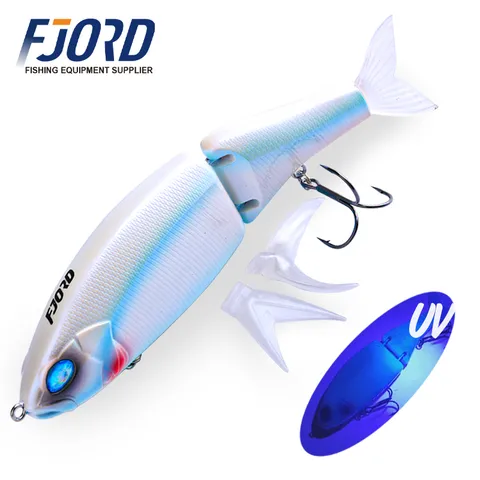
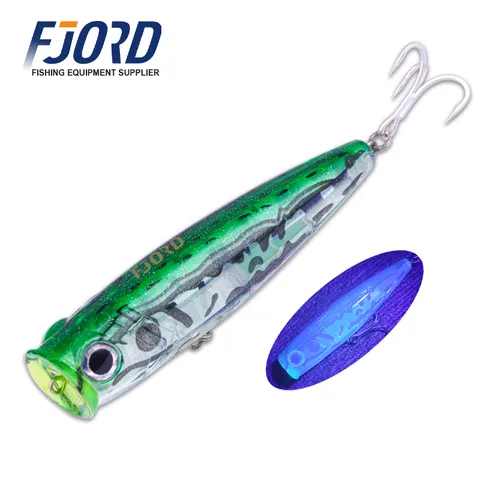
Crankbaits carry a large diving lip and are built to wobble and deflect off cover; they dominate bass markets. Minnows are slim, usually suspending or slow-floating, and are the default for trout, zander and perch across Europe and Russia. Jerkbaits are longer minnows worked with sharp rod twitches. Metal jigs — casting and slow-pitch — carry no plastic body at all: their action comes entirely from weight distribution, which makes stamping tolerances the quality driver.
For assortment planning, a balanced hard bait programme usually covers one shallow runner, one deep diver, one suspending minnow and one jig series. That covers surface, mid-column and bottom presentations without overwhelming shelf space.
The specs that actually control swimming action
- Lip size and angle: a small steep lip dives fast with a tight wiggle; a long shallow lip planes wide with a strong roll. Ask for the test photos or video at two retrieve speeds.
- Ballast placement: fixed steel or tungsten weights set the resting attitude. A suspending bait must pause level, not nose-down — this is the most common hidden defect.
- Weight transfer systems: moving balls give longer casts but add rattle and one more failure point. Specify magnet strength if you order them.
- Swimming tolerance: request the actual test range (for example a 1.2–2.4 m dive band) rather than a nominal number.
Finish and hardware: where cheap builds show first
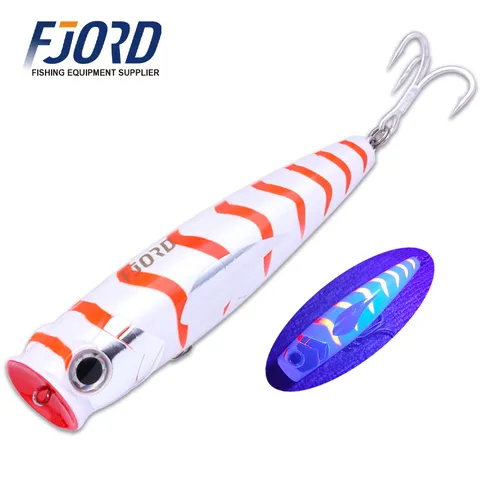
The paint stack is where cost is usually cut. A durable hard bait carries epoxy clear coat over airbrushed layers, with the hook hangers epoxy-sealed so wire eyes cannot rust through the coating. Check the belly and tail hook hangers for alignment — a twisted hanger makes the bait run on its side regardless of how good the body is.
Hooks and split rings are a spec, not an afterthought. A #6 black-nickel treble behaves differently from a #4 saltwater-grade ringed treble, and buyers shipping into warm, humid markets should insist on corrosion-tested hardware. Confirm hook grade in the order sheet so substitutions cannot happen silently.
Quality checks to run before confirming the order
- Swim test on video from the actual production tooling, not the hand-made sample.
- Weight check across 20 random pieces against the stated gram tolerance.
- Finish inspection under strong light: orange-peel texture, missed edges, cloudy clear coat.
- Hook hanger pull test and corrosion spot check after a 24-hour salt soak for saltwater items.
Packaging and private label
Hard baits are the most damage-prone category in a container: hook points punch through blisters and chip finishes in transit. Specify individual blister or EVA-boxed packing and request a drop or compression note from the factory. For private label, artwork should be confirmed on the actual blister card stock — colours shift between screen and print, and the card is what the end customer sees first.