Gear ratio: speed against torque
The ratio states how many times the spool turns per handle turn. Around 5.0:1 to 5.5:1 is slow — power cranking for deep divers and big blades. 6.0:1 to 6.6:1 is the all-round middle. 7.0:1 and above is high-speed, built for picking up line fast with topwaters and jigs. Programme planning usually wants both a middle-ratio workhorse and one high-speed model, not a wall of near-identical ratios.
For baitcasting reels, also check the spool inertia and braking system specification — centrifugal, magnetic or dual — because castability at light weights depends on it more than on the ratio.
Drag: the number that matters and the number that does not
Max drag figures on spec sheets are measured at full spool on a rig, not at fishing pressure. What matters more is drag smoothness under start-up — the transition from static to slipping — which is decided by the washer stack: felt, carbon fibre or a hybrid. Carbon stacks stay smooth when wet and are the spec to ask for on mid-tier and above.
Front drag on spinning reels handles the line directly; rear drag is easier to adjust mid-fight but adds a mechanism. Saltwater programmes should also confirm sealed or shielded line rollers, since that is where spray intrusion shows first.
Bearings and body materials: reading past the marketing
- Bearing count is not a quality score. Three good shielded stainless bearings outlast nine unshielded ones. Ask for bearing type and shielding, not just the number.
- Body material: graphite bodies keep weight and cost down and resist salt; aluminium bodies hold alignment under heavy drag and belong on the upper tier. Check for body flex by squeezing the reel foot and rotor on a sample.
- Rotor and bail: the bail should close crisply on the turn — a soft bail trip is the most common early failure customers report.
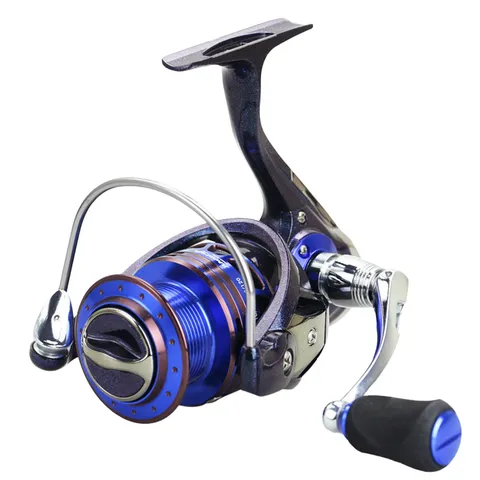
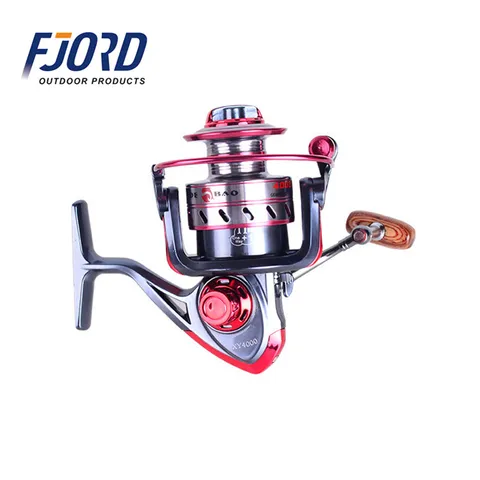
- Handle: T-shaped and offset knobs change perceived comfort more than price tiers suggest; confirm knob type in the order sheet.
Factory checks before confirming the order
- Winding test: line lay should be cross-wrapped and level, without gaps at the spool lip.
- Drag smoothing test on a scale: start-up jerk should be minimal, with even slip across the sweep.
- Salt-spray soak for saltwater SKUs, then a re-crank test for grit.
- Endurance crank test on a sample from the production run — not the hand-built sample — listening for gear noise past 10,000 turns.
Sizing a reel programme
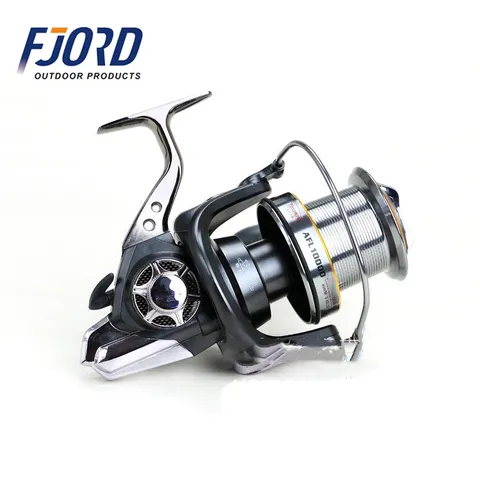
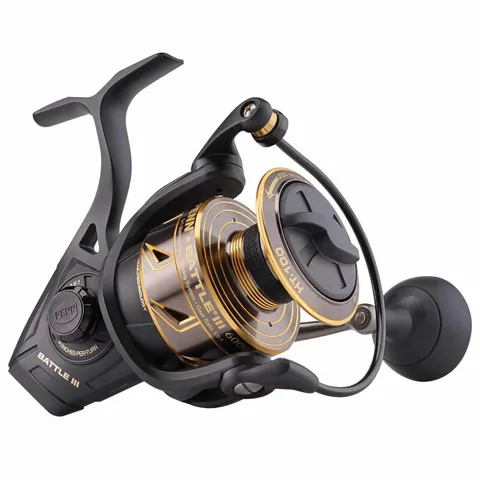
For spinning, sizes 1000–2500 cover the European trout-and-perch base, 3000–4000 serve pike and inshore saltwater, and 5000+ belong to surf and boat programmes. Match the reel programme to the rod programme: a 2.4 m medium spinning rod pairs with a 3000-class reel, and stocking them as matched sets is the single easiest way to raise basket size at retail.