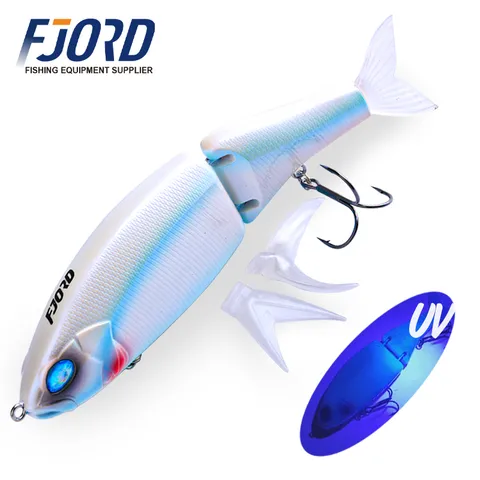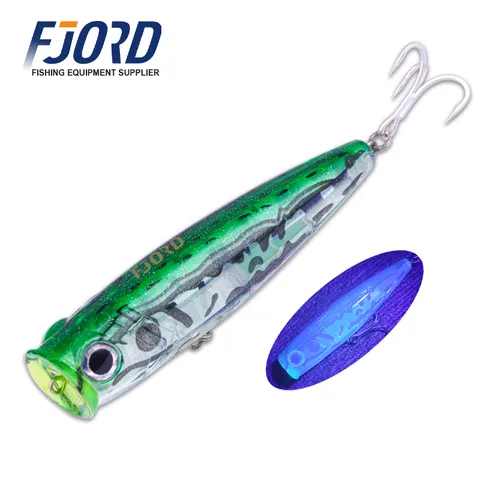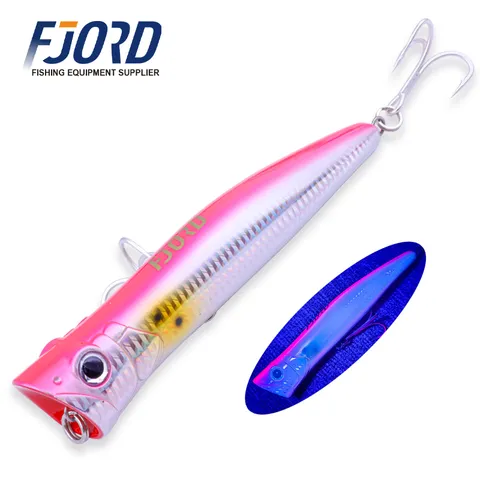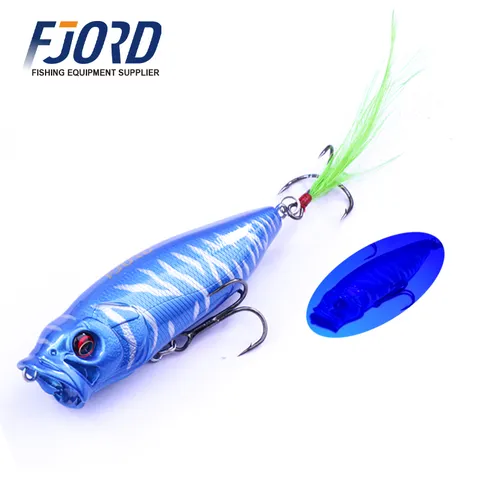
What sets the minimum order quantity
MOQ is not a penalty, it is cost recovery. Packaging sets the floor for most orders — a hang card or a printed head card has its own print run, so the minimum is often driven by the packaging supplier rather than by the moulding. Colour, decoration and whether the shape already exists come next.
If the mould exists, the minimum drops and you are mostly paying for material and packaging. If you want a new colour on a new mould, or a new shape entirely, the tooling charge and the minimum both rise. This is why the cheapest customization is usually a colour change on an existing mould, and the most expensive is a brand-new shape with your own packaging.
- Existing mould + your packaging → lowest minimum, highest margin on tooling.
- Existing mould + your colour → low tooling, moderate minimum.
- New mould + your packaging → highest tooling, highest minimum.
What the lead time is really made of
The quoted figure usually covers production only. Before that there is sample confirmation, mould development if the shape is new, packaging artwork approval, and — the part most first-time buyers miss — the production slot itself. A factory running three shifts for large regular customers will slot a new order where it can, not where you would like it.
Practically: add sample round-trips and artwork approval on top of the quoted number, and treat "production starts next week" as the promise, not "goods arrive next week".
- Sample rounds: two rounds is normal, three starts to cost weeks.
- Artwork approval: block the calendar for it or the print run slips.
- Peak season: Q3 and before Chinese New Year are the two hard windows.
Custom moulding: where the money goes
A new shape is a moulding project with stages: design, prototype, tooling, trial run, correction. Each correction on the tool costs calendar time, and corrections are normal — a lure that swims right the first time is unusual. Budget for two iterations and you will rarely be surprised.
Before tooling, lock down the drawing. Sizes, weight, hook position, the type of hook and the cavity count all change the tooling cost. A drawing that leaves the hook type open will get quoted twice, at two different prices.
Planning a first custom run
The sequence that works: fix the drawing, approve a colour or finish on an existing mould first, run a small batch with your packaging, sell it, then commit to the deep run. It feels slower at the start and it is — but it converts a guess into a data point, and factories reward a proven repeat with better scheduling.
Questions worth asking on the first call
Ask which packaging format the quoted MOQ assumes, whether the mould is billed once and who owns it afterwards, what the tooling correction policy is, and how much of the quoted lead time depends on your artwork approval. Those four answers tell you more about the supplier than the price does.