The three material families and where each sells
Monofilament (nylon) is the universal default: economical, stretchy, easy to knot, and forgiving for beginners. Fluorocarbon is nearly invisible underwater, sinks faster, resists abrasion and barely stretches — it sells as leader material everywhere and as mainline in clear-water and pressured markets. Braided line is thin for its strength, has almost no stretch, and dominates feeder, carp and heavy-cover fishing.
Most retail programmes stock all three: braid as mainline, fluoro as leader, mono as the budget shelf. The margin structure also differs — braid carries the best margin per spool, mono the highest volume.
Specifications that decide repeat purchases
- Diameter accuracy: the printed diameter must match the measured one within roughly 5%. This is the single most falsified spec in the category — measure it on samples from the production run.
- Breaking strength honesty: test knot strength, not just straight-pull. A knot figure on the box should be achievable by an average angler.
- Memory and handling: mono and fluoro should come off the spool straight after a night under light tension; braid should not dig in under drag.
- Colour fastness: dyed braids and tinted fluoro must survive a 24-hour water soak without bleeding onto hands or spools.
Manufacturing differences buyers never see but customers feel
Monofilament quality is decided by the polymer blend, the draw process and the annealing. Cheap mono keeps memory and snaps at knots; a good blend stays supple in cold water. Fluorocarbon authenticity is a real issue: some spools sold as fluoro are fluorocarbon-coated nylon. True fluoro sinks in water and does not float back — a test anyone can run, and one your QC can institutionalise.
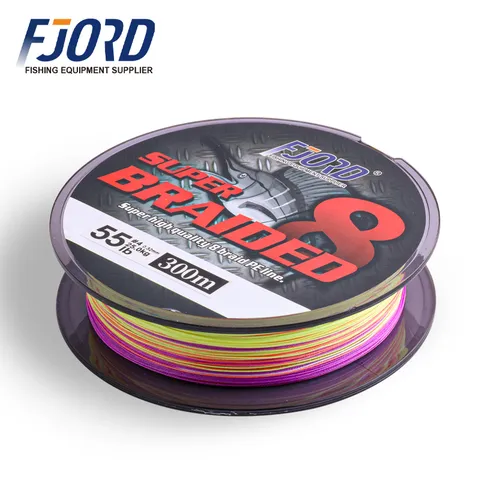
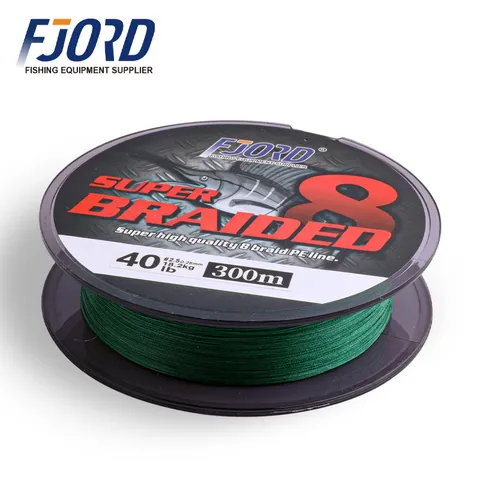
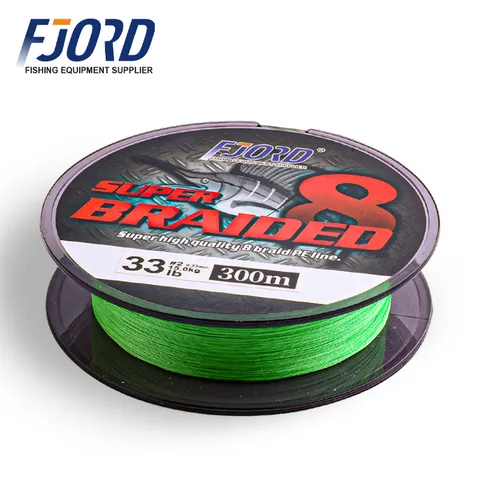
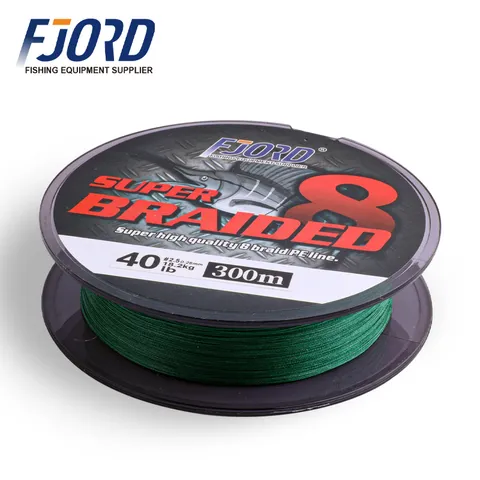
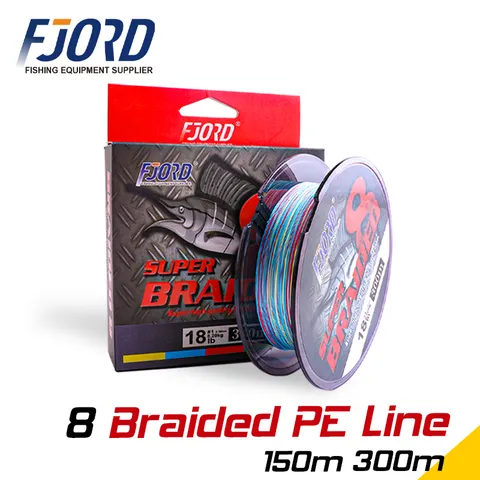
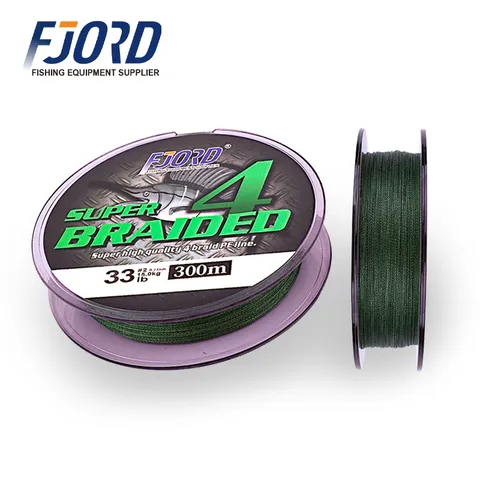
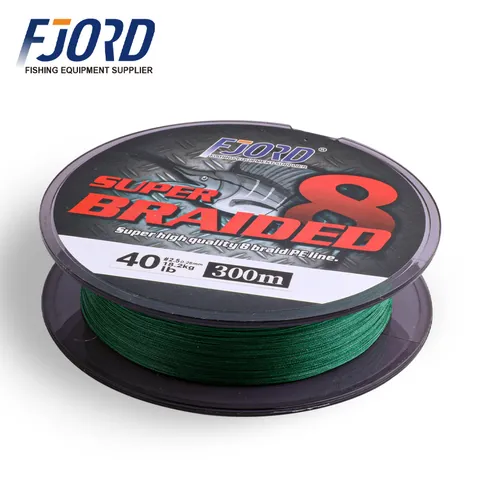
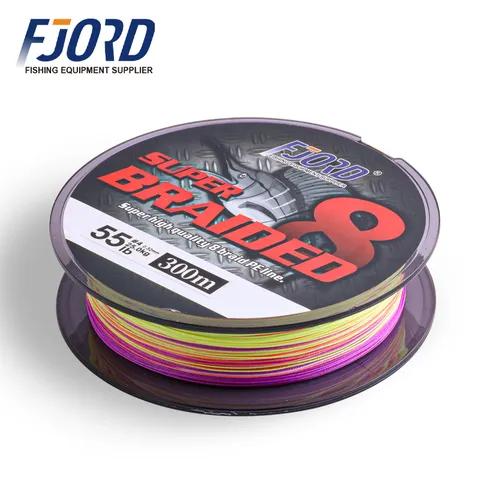
Braided line quality lives in the weave: carrier count (4, 8 or 9), pick density and coating. An 8-carrier braid is rounder, quieter through guides and more abrasion-tolerant than a 4-carrier at the same strength; the coating determines whether the braid stays quiet or turns fuzzy after a few sessions.
Spooling, winding and packaging
Winding quality controls the customer’s first impression: uneven cross-winding, loose outer layers or sticky spool sides cause wind knots and returns. Specify winding tension and spool fill — a few metres short of the printed length is a common silent cost-cut. Packaging is where the brand lives: request printed spool labels on the actual stock and check that strength figures and metre counts on the box match the spool label exactly.
Building a line programme
- Braid: two carrier counts (4 and 8) across three strengths covers most demand.
- Fluoro: 30–50 m leader spools in three strengths; add 150 m+ mainline spools only for clear-water markets.
- Mono: one bulk spool programme plus a small range of ready spools.
- Leaders: ready-tied fluoro leaders with quality swivels are a fast-growing add-on at the till.