Start with the plastic, not the shape
Most buyers first argue about profile — worm, grub, curl tail, paddle tail — and only later discover that the plastic itself is what determines shelf life, feel in the water and how many returns you get. The four materials you will be offered are PVC, soft plastic (an improved PVC compound), silicone and TPE.
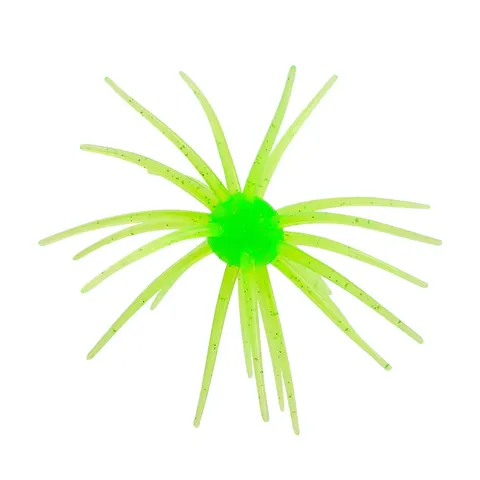
PVC is the budget workhorse: cheap to mould, widely accepted, but it stiffens in cold water and deforms if it sits in a hot warehouse for a summer. Soft plastic compound is the upgrade — better elasticity, more natural action, and it stays supple across a wider temperature range. Silicone is used where a very soft, low-toxicity hand feel matters. TPE sits between PVC and silicone in cost and feel, and is the usual answer when a buyer wants silicone-like softness at closer-to-PVC pricing.
- Cold-water markets: check the low-temperature flex point, otherwise the tail snaps off on the first trip.
- Hot-climate markets: unplasticised PVC will deform in transit — specify a heat-stabilised compound.
- Ask for a material declaration if you are selling into the EU or California.
Weight and rigging decide where it swims
A soft lure has no swimming action of its own until something gives it one. That is why weight placement and rigging style matter more than the body shape. A jig-head-rigged lure sinks and hops; an offset hook rig with a weedless setup lets you drag it through cover; a drop-shot rig holds it in the column; a weighted nose keeps a paddle tail diving.
For ordering purposes, ask the factory two things: the weight tolerance range across production (not just the nominal gram figure on the spec sheet), and which rig type the lure is designed for. A 7 g lure that ships ±1.5 g is a different product from one that ships ±0.3 g, and your customers will feel it.
Buoyancy: the spec that quietly kills repeat orders
Classify every SKU you buy into floating, sinking or neutral. Then work out what your local water is doing. Clear, pressurised, low-confidence fisheries reward a slow-rising lure — anglers trust a bait that gets a second look. Heavy, stained, high-flow rivers reward a fast-sinking profile that gets down to the fish.
The mistake is ordering every SKU as floating "because that is the best seller". In brackish and still-water markets that is right. In tidal estuaries and cold-water lakes, a portion of the range should be sinking, and the packaging needs to say so — an angler who buys a floating bait by accident and loses it on the first cast will not reorder.
Colour: copy the palette, respect the water
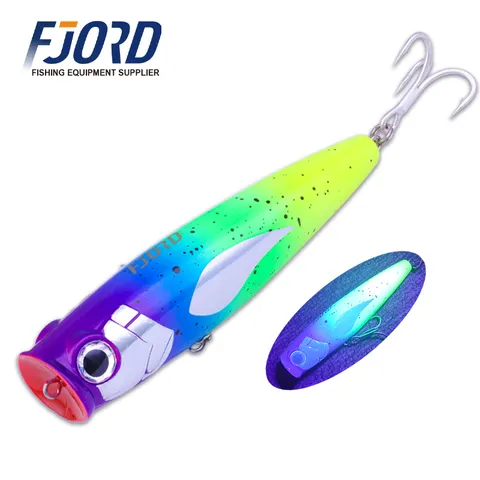
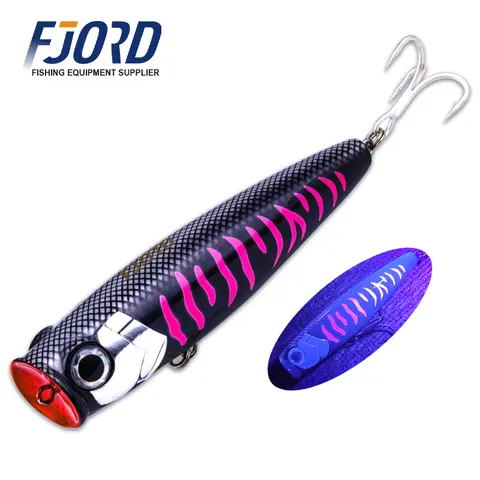
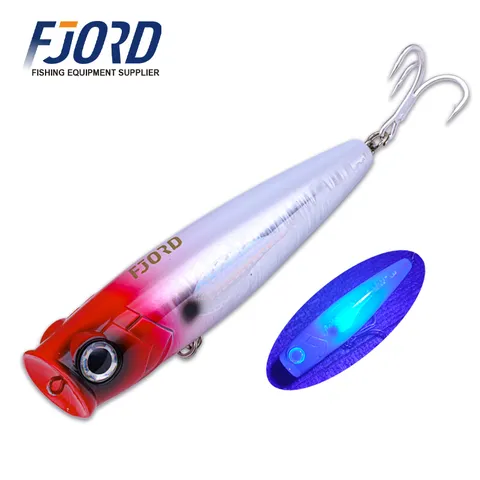
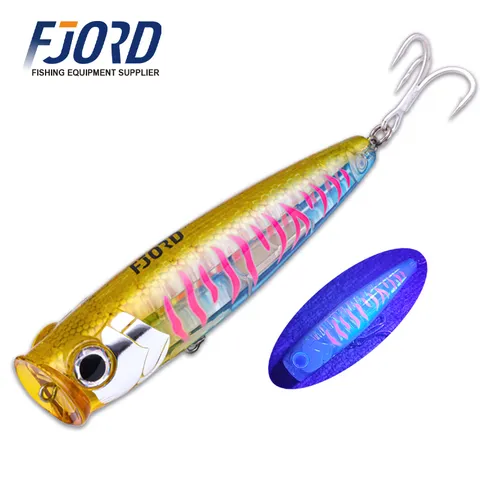
Colour selection is market-specific and the fastest way to waste a first order. North American bass markets run on a well-known seasonal palette. Northern European freshwater leans toward dark, low-flash patterns. Clear-water saltwater wants muted, low-reflection colours; stained water and low light want high contrast and flash.
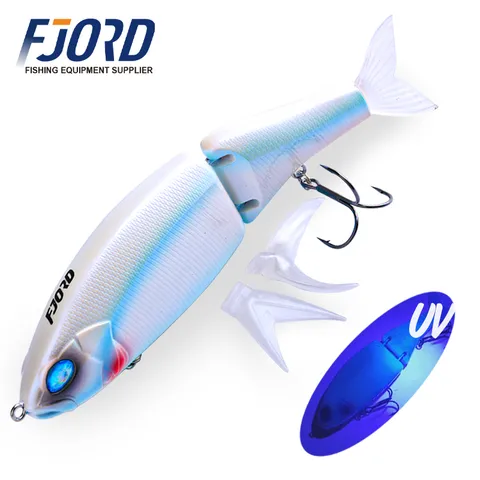
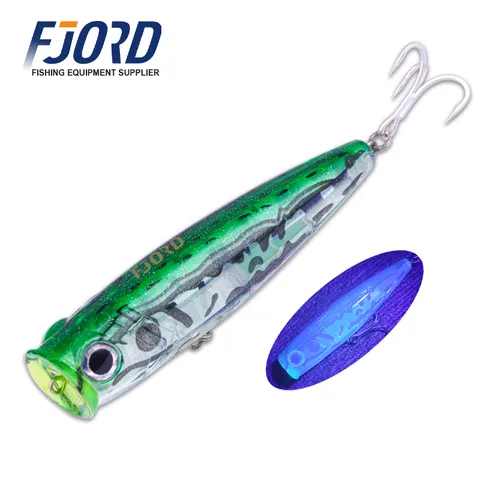
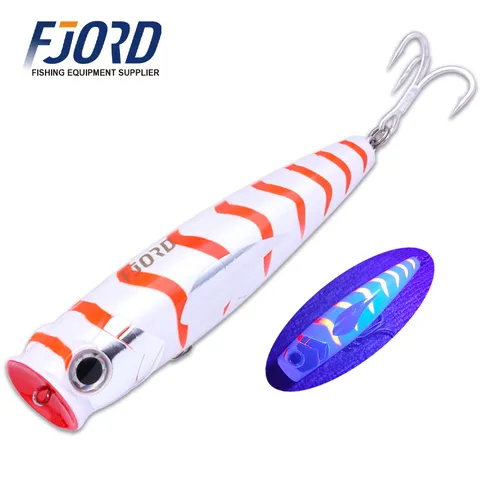
Practical approach: buy your top three colours in a small trial quantity before committing to a full run, and ask for hand-painted versus poured finishes separately — they price differently and they photograph differently, which matters if your listing images are the main conversion lever.
- Clear water → muted, low flash, natural bait colours.
- Stained / low light → high contrast, metallic or glow accents.
- Night fishing → glow or reflective, not bright daytime colours.
Packaging is a product decision, not an afterthought
The same lure sells differently depending on how it reaches the shelf. Head cards, hang bags, ziplock bags and bulk cartons each carry a different retail price band and a different re-order trigger. If your buyers shop in hardware and fishing-store channels, printed hang cards with size and species references will outsell bulk. If they are private-labeling for an e-commerce brand, bulk plus your own retail packaging is cheaper and gives you a margin story.
Whatever format you choose, insist the card carries length, weight, buoyancy and rig type. Anglers order by those four numbers, and a pack that hides them generates support emails, not sales.
What to confirm before you place the order
A short pre-production checklist saves the most pain. Confirm the material compound in writing, the weight tolerance, the buoyancy classification per SKU, whether the hook is included or packed separately, the packaging format, and the salt-spray / heat-test results if the line is destined for saltwater.
Then ask for physical samples of the actual production run, not the lab-made pre-production samples. Factories almost always send the best piece they can make, and the gap between the sample and the mass production run is where most quality disputes start.