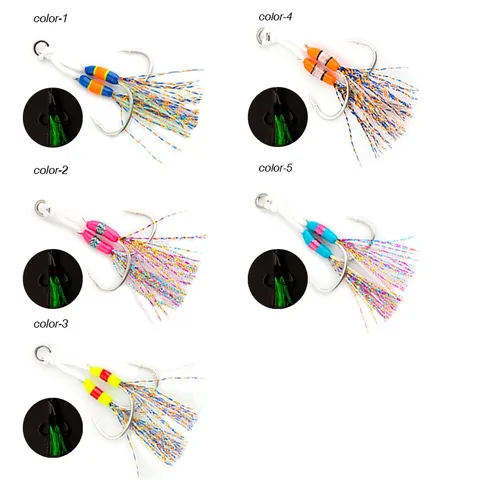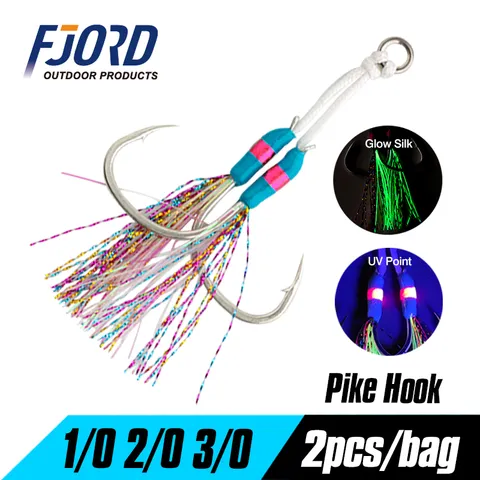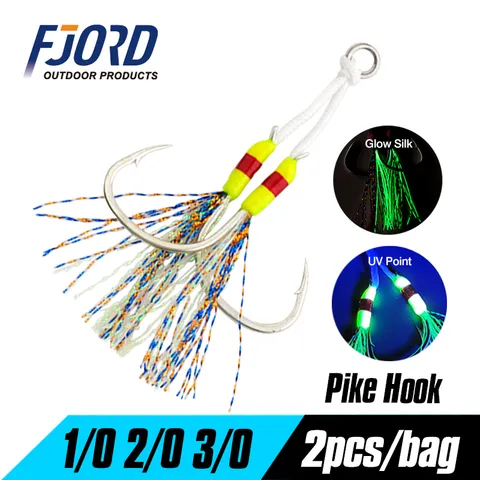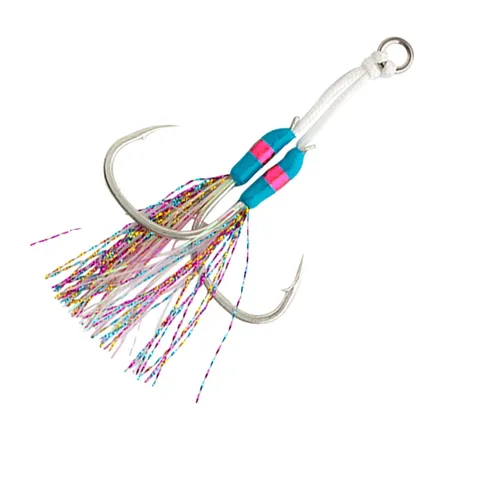
Hook anatomy and the main patterns
Every hook is described by the same parts: eye (ringed, needled or spade), shank length, bend, gap (gape), barb and point. From those, the standard patterns follow — O’Shaughnessy and live-bait bends for sea fishing, Aberdeen wire patterns for lighter saltwater work, wide-gape and carp patterns for freshwater, jig hooks with 60° or 90° legs, and chemically sharpened fine-wire patterns for sport fishing.
Size numbering runs counter-intuitively: sizes ascend 10, 8, 6, 4, 2, 1 to 1/0 and up. Note that sizes are not standardised across manufacturers — always order against the factory’s own size chart and a physical sample, not against a generic chart.
Steel, tempering and coatings
- High-carbon steel is the standard for forged hooks: it takes and holds a point. Stainless steel belongs in saltwater programmes but is more brittle at fine gauges.
- Tempering decides both sharpness retention and brittleness. The field test: a good hook bends noticeably before breaking; an over-hardened hook snaps; an under-hardened one straightens with finger pressure.
- Coatings: black nickel is the universal finish, PTFE coatings reduce insertion friction and sell at a premium, and saltwater hooks need corrosion-tested plating — a 24-hour salt soak without rust bloom is the passing bar.
Points and barbs: the geometry buyers should specify
Needle, spear and knife points behave differently: needle points penetrate fastest and are the chemically sharpened standard; knife points cut in but lose sharpness faster. Micro-barb and barbless variants are increasingly required by European regulations and catch-and-release markets — they must be specified, as barb flattening at the factory differs from forging a micro-barb.
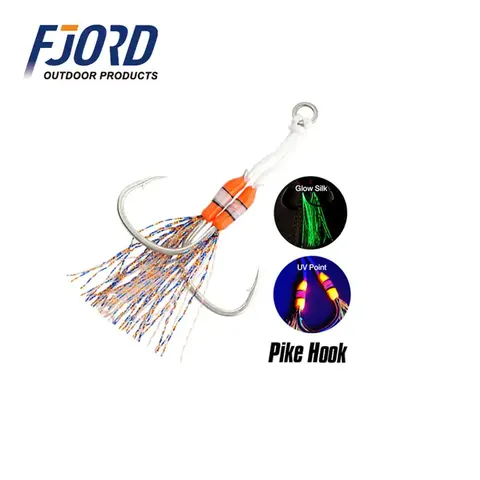
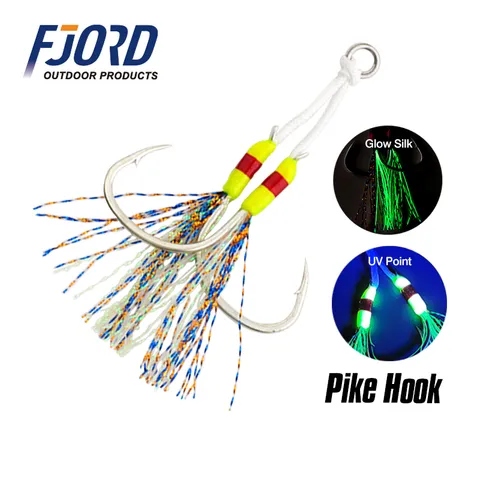
For jig hooks, confirm the leg angle (60° or 90°) and the eye position relative to the lead head; for offset worm hooks, confirm the offset gap and whether the point is chemically sharpened or simply stamped.
QC checks that actually detect a bad batch
- Wire gauge measurement with a micrometer across 20 hooks per size — gauge drift is the most common silent substitution.
- Tempering test: finger-pressure bend test on sampled hooks from the run, with break and bend ratios recorded.
- Point sharpness check under magnification: no rolled tips, no grinding burrs.
- Plating check: 24-hour salt soak, then inspect for bloom at the eye and barb.
- Packaging count verification: hooks are sold by count, and short counts are a classic hidden loss.
Sizing a hook programme
For freshwater retail, sizes 6–1/0 wide-gape and jig hooks cover the bass-and-pike base; fine-wire sport hooks in 12–6 serve trout and match anglers. Saltwater programmes start at 2/0 O’Shaughnessy and live-bait patterns. Hooks are the classic till add-on: stocking matched hook-and-lure recommendations (the jig head that fits the soft bait you already sell) raises basket size without extra shelf cost.