Blank materials: what the modulus number really buys
Almost all modern rods are carbon fibre. The differences that matter are the fibre modulus (often quoted as 24-ton, 30-ton, 40-ton), the resin system and the scrim. Higher modulus means a lighter, stiffer, more sensitive blank — but also more brittle and more expensive. A mixed-modulus blank (high-modulus butt, intermediate tip) is the practical middle ground for most retail programmes.
Glass and composite blanks still earn their place in boat, trolling and ice rods, where durability beats sensitivity. If your market abuses gear — charter boats, rental operations — a glass-composite build is a feature to advertise, not a compromise to hide.
Power and action: two axes buyers confuse
Power is how much force it takes to bend the rod (ultralight to heavy). Action is where it bends (slow through extra-fast). A rod can be medium power with fast action: stiff in the top third, progressive through the middle. Spec sheets should state both, and blanks should be verified by deflection photos rather than adjectives.
For programme planning, match power to the dominant species and lure weights in your market. Ultralight through medium-light covers the European perch-and-trout segment; medium-heavy to heavy serves the bass, pike and saltwater segments. Lure-weight and line-weight ratings on the blank must reflect the guide train actually fitted, not the bare blank.
Components: guides, seats and handles
- Guides: stainless frames with aluminium-oxide or SIC rings are the standard ladder. Check frame feet alignment and ring centring — crooked guides are the most common visible defect.
- Reel seats: graphite composite seats with nylon hoods serve freshwater; aluminium or carved seats belong on premium builds. Test hood thread fit by feel on a sample.
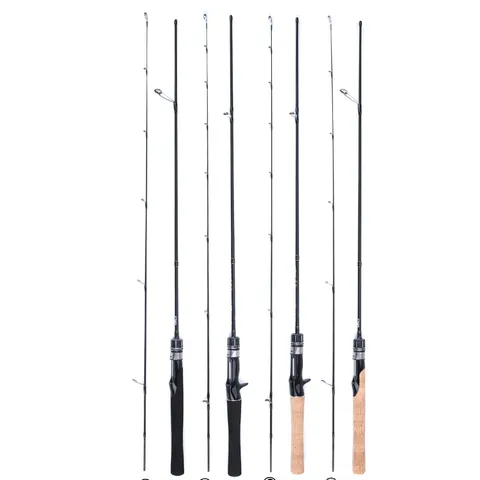
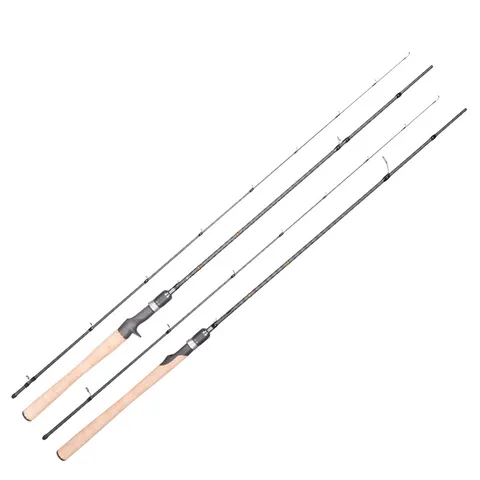
- Handles: EVA is durable and economical; cork grades differ enormously. Grade A cork has few fill holes; heat-pressed cork is a reconstituted product — both are legitimate choices if priced accordingly.
- Wraps and epoxy: guide-foot epoxy should be smooth, yellowing-free and fully covering the thread.
QC checkpoints before confirming a production run
- Deflection test on 3 random blanks from the run, photographed against the approved sample curve.
- Guide alignment checked along a straight sight line, tip to butt.
- Weight check against the stated rod weight — more than a few grams of drift means the blank or handle changed.
- Assembly fit check: reel seat threads, butt cap and tip top all snug with no rattle.
Building a rod programme that sells across seasons
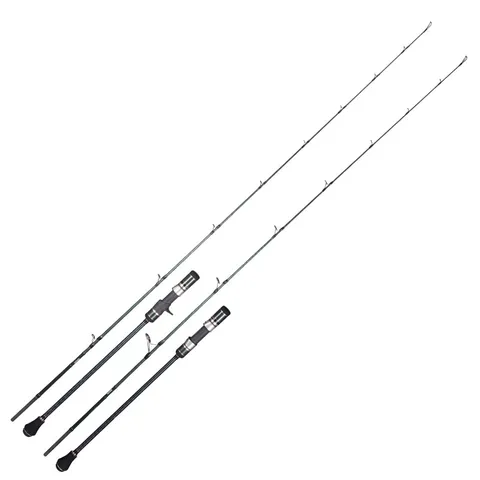
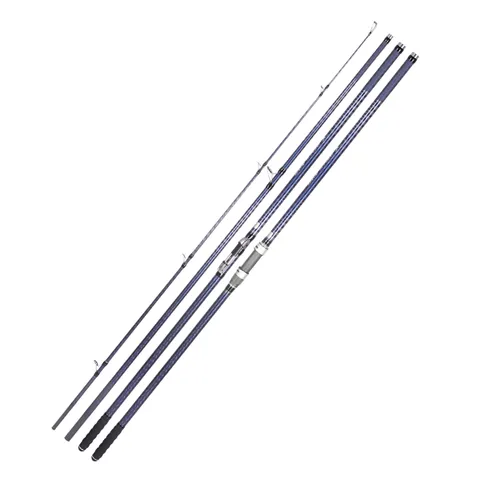
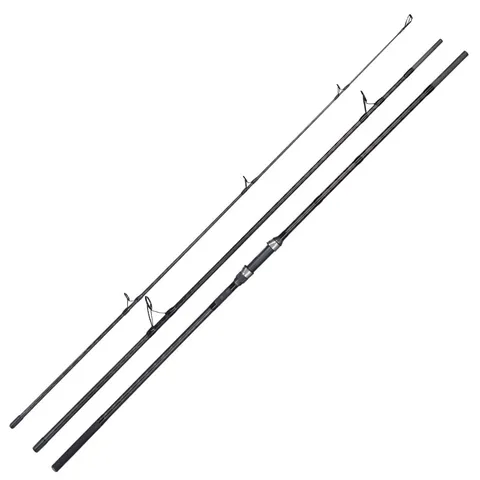
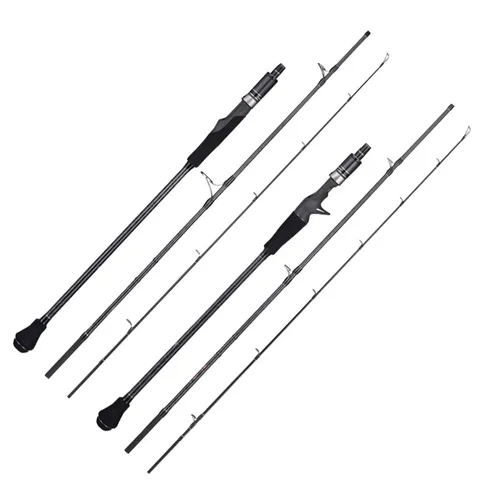
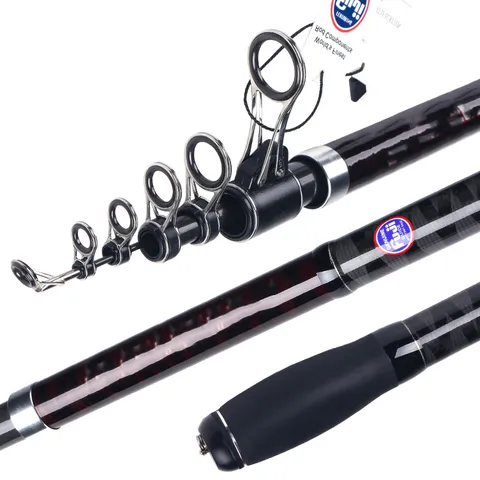
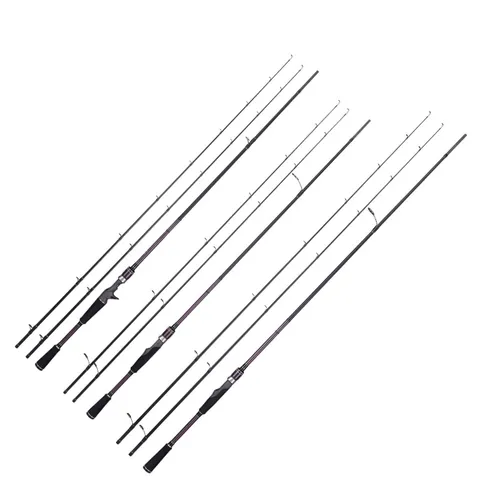
Start with two-piece spinning rods in three power classes — they cover the widest buyer base with the least inventory. Add a telescopic travel series for markets where transport length matters, and a jigging or boat series only once the core sells. Private label works well on rods: the blank and components carry your spec, the logo wrap carries your brand, and repeat orders lock the specification in writing so quality cannot drift.