HS code classification for fishing tackle (9507 series)
All commercial fishing tackle imports fall under Chapter 95 of the Harmonized System (HS 9507). Using the correct 6-digit or 10-digit tariff code is vital for calculating import duty, preventing customs holds and complying with local trade declarations.
Always verify the sub-heading matching your exact product category prior to bill-of-lading issuance:
- HS 9507.10 — Fishing rods and blanks (carbon, fiberglass, composite).
- HS 9507.20 — Fish-hooks, whether or not snelled (carbon steel, stainless steel).
- HS 9507.30 — Fishing reels (spinning, baitcasting, trolling, fly reels).
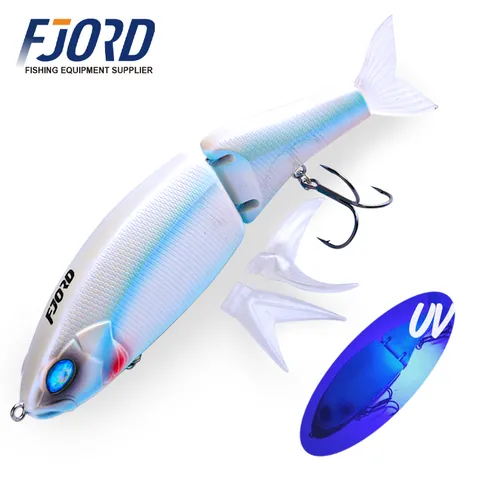
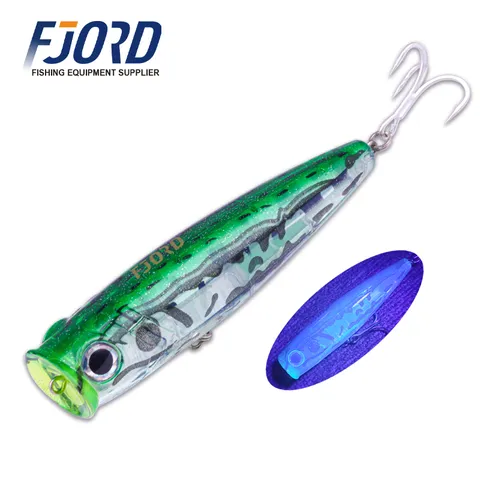
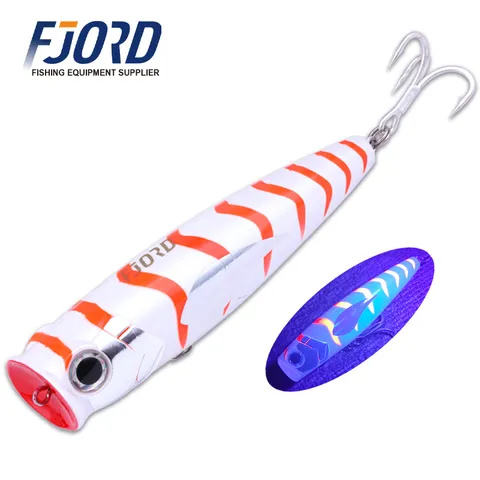
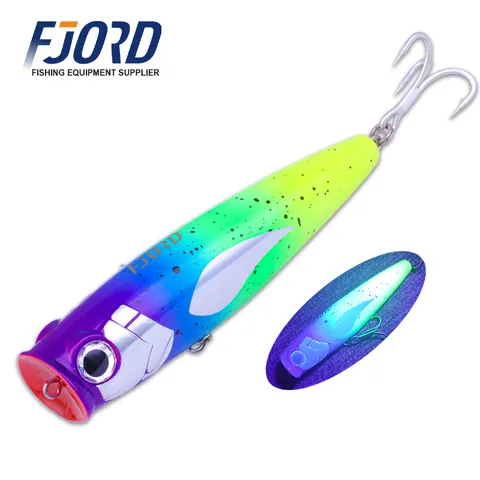
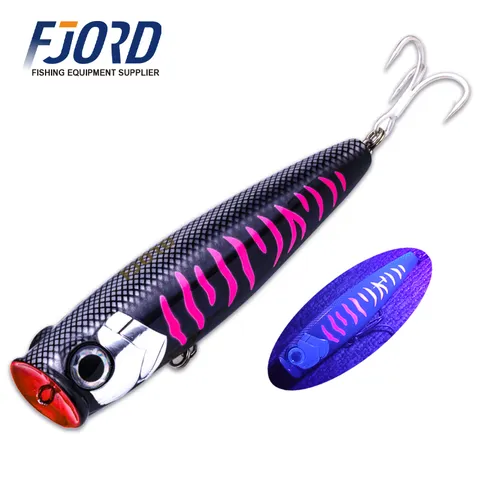
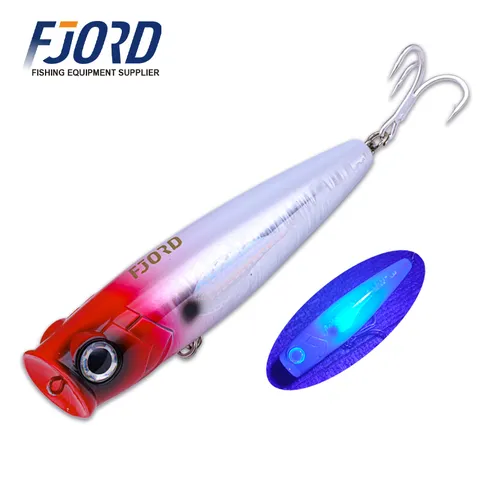
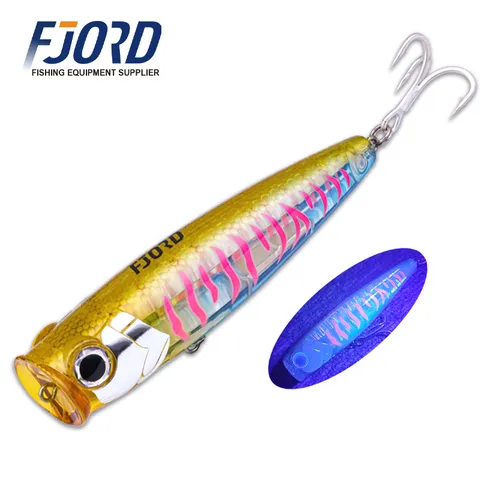
- HS 9507.90 — Artificial lures (hard plastic, soft bait, metal jigs), swivels, lines, tackle boxes and landing gear.
Pre-shipment quality control (QC) checklist
Never release the final balance payment based solely on golden production samples. Conduct a batch-level pre-shipment inspection (PSI) using AQL standard Level II (General Inspection) covering the following critical inspection parameters:
For artificial lures and metal jigs, verify air-tight ultrasonic welding, swimming balance (100% water-tank check), salt-spray corrosion resistance on split rings and treble hooks (minimum 72-hour salt fog exposure), and coating adhesion cross-hatch tests.
For carbon rods and fishing reels, check guide ring alignment, reel seat thread tolerance, blank deflection curves under test load, and smooth drag washer actuation with zero startup stutter.
- Visual & cosmetic: paint finish, holographic foil transfer, 3D eye adhesion, sharp hook barbs.
- Mechanical: split ring tensile strength, swivel rotation smoothness, rod guide ceramic inserts.
- Packaging & barcode: Master carton drop test (ISTA 1A), barcode readability, inner blister pack integrity.
Incoterms and logistics: FOB vs CIF vs DDP
For experienced buyers with existing freight forwarders, FOB (Free on Board — Qingdao or Weihai port) offers full control over ocean freight rates, sailing schedules and customs broker selection.
For first-time importers or sample trial runs, CIF or air DDP (Delivered Duty Paid) simplifies the process by letting the factory coordinate door-to-door transit and customs clearance.
Factory direct packaging & compliance
Ensure master cartons meet international transit standards: 5-ply double-wall corrugated boxes with moisture-proof poly lining, standard shipping marks (Net weight, Gross weight, CBM, SKU barcodes) and country-of-origin markings (e.g. "Made in China").