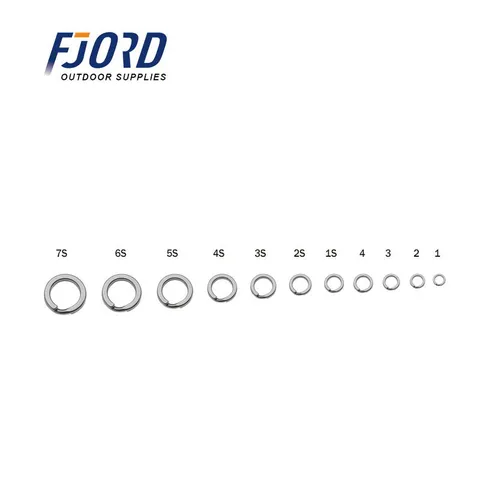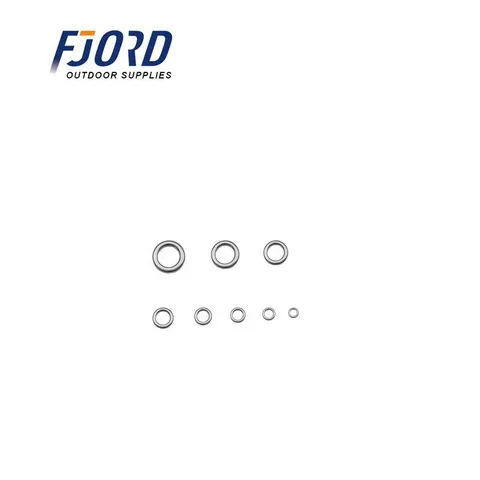
Know which swivel type you are selling
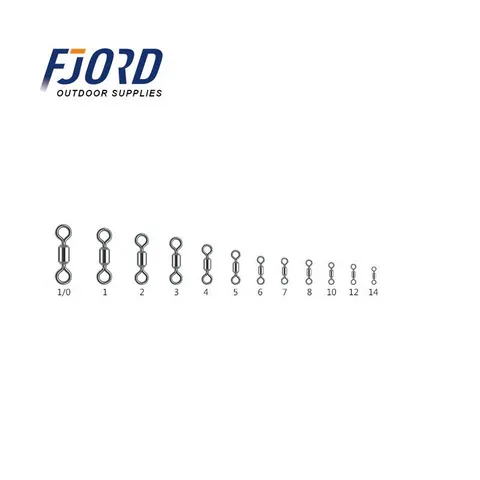
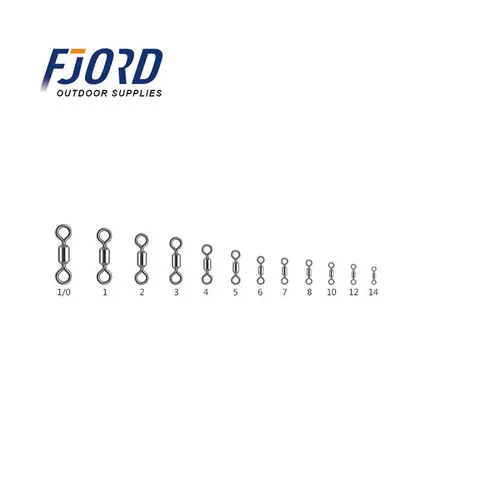
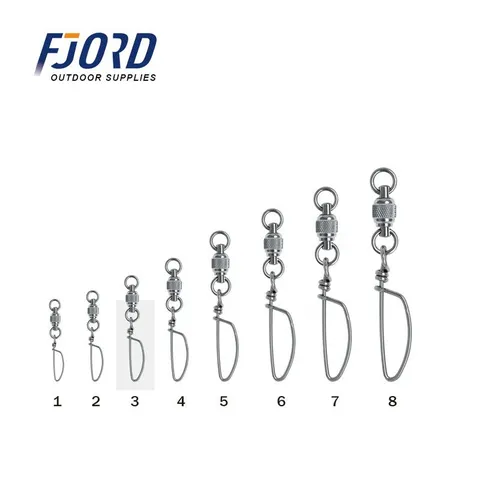
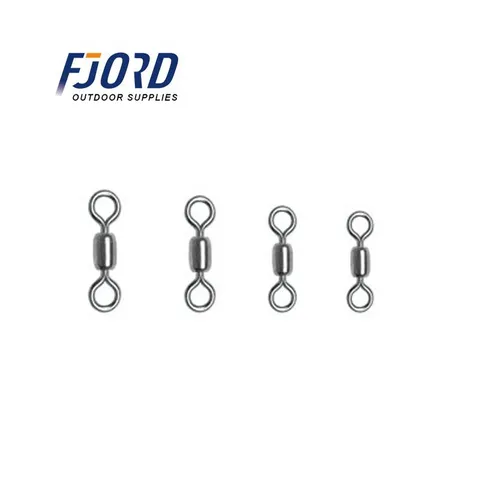
The three types that matter are the barrel swivel, the snap swivel and the ball-bearing swivel. A barrel swivel is the general-purpose unit for preventing line twist. A snap swivel adds a clip so lures can be changed without re-tying. A ball-bearing swivel is the trolling and heavy-saltwater product, where rotation under load is what actually prevents twist.
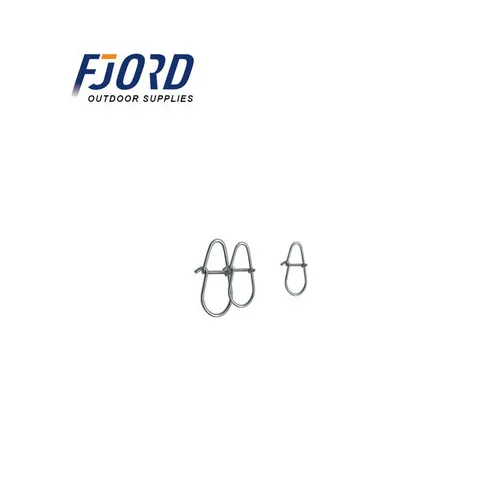
Coastlock snaps and interlock snaps are the two clip patterns you will be offered: coastlock is the heavier, more secure pattern used in saltwater, while interlock is lighter and suits freshwater casting. Stocking the wrong one is a common and entirely avoidable mismatch.
- General freshwater: barrel swivel and interlock snap swivel.
- Trolling and heavy saltwater: ball-bearing swivel with a coastlock snap.
- Never substitute an interlock snap into a trolling programme — it will open under sustained load.
Strength ratings are not interchangeable
A snap rated at a given breaking strain is not the same product as a swivel rated at the same figure, because the failure point differs: a snap fails at the clip, a swivel at the barrel, and a snap swivel at whichever is weaker. Ask which component the rating refers to.
Also confirm whether the rating is a test figure or a nominal marketing number. Two suppliers quoting the same strain can differ by a wide margin in practice, and the only reliable check is a pull test on samples from the production run.
Leaders: wire, fluorocarbon or mono
Leader choice is driven by what is in the water. Wire leaders are for toothy species — anything that will cut mono on the strike. Fluorocarbon leaders are for clear water and line-shy fish, because the refractive index is close to water and it is far more abrasion-resistant than mono. Mono leaders remain the cheapest general-purpose option and are still correct where abrasion and bite-off are not concerns.
For a retail range, stock wire in a few discrete pound tests, fluorocarbon in the two or three diameters that cover the local species, and mono as the entry price point. Assortment depth matters more than breadth here.
Corrosion and the saltwater failure mode
Terminal tackle fails in salt water at the crimp and at the snap pivot. A snap that has been plated but not corrosion-tested will show bloom within days of first use, and a swivel barrel that has trapped salt will seize silently — the angler never sees it, and the fish is lost on the strike.
Specify a salt-spray or soak test for any component sold into coastal markets, and insist the packaging states the material. Retailers who label wire leader by its construction — single strand versus multi-strand coated — see noticeably fewer complaints, because the two behave very differently in the water.
Assortment and packaging strategy
Terminal tackle is the classic counter-position product: it sells on convenience, on price, and on being next to the hooks. Assorted packs of mixed sizes outsell single-size packs for most retailers, because the angler does not know exactly what they will need at the water.
If you sell assortments, weight the pack toward the sizes your market actually uses rather than an even spread — an even spread looks tidy and leaves the customer short of the one size they use constantly.
What to confirm before you place the order
Confirm the material and plating, the pull-test result for each size, whether the rating refers to the snap or the swivel, and the salt-soak result for saltwater lines. Then pull-test samples from the production run to a documented figure — this is the single highest-value check in the category.