UPF is the number buyers ask for first
UPF measures how much ultraviolet radiation passes through a fabric. Unlike sunscreen, it does not wash off and does not need reapplying, which is why sun-protection clothing has become a standard part of a fishing range in high-UV markets. A UPF 50 rating blocks roughly 98 per cent of UV radiation and is the practical standard for a fishing shirt.
The rating is not permanent. It depends on the fabric construction, the colour, and how much the garment has been stretched and washed. Ask whether the supplier has tested the fabric or is quoting a generic figure for the material type, and confirm whether the rating applies to the fabric wet as well as dry — a wet shirt transmits more UV, and that is the condition the garment is actually worn in.
- Specify UPF 50 as the baseline for a sun-protection line.
- Ask whether the rating is a tested result or a material-type estimate.
- Confirm wet-state performance — anglers wear these garments wet.
Fabric weight and ventilation decide wearability
Fabric weight is measured in grams per square metre. A lightweight shirt around 100–130 gsm is comfortable in tropical heat but translucent and less durable; a heavier 160–200 gsm fabric is more opaque and hard-wearing and noticeably hotter. The right answer depends entirely on the climate you are selling into.
Ventilation matters more than weight for comfort. Mesh-lined back vents, underarm gussets and a cape-back construction move air across the back, which is where anglers overheat. A slightly heavier shirt with proper venting will outsell a light one with none.
Fit and sizing: the return driver most buyers miss
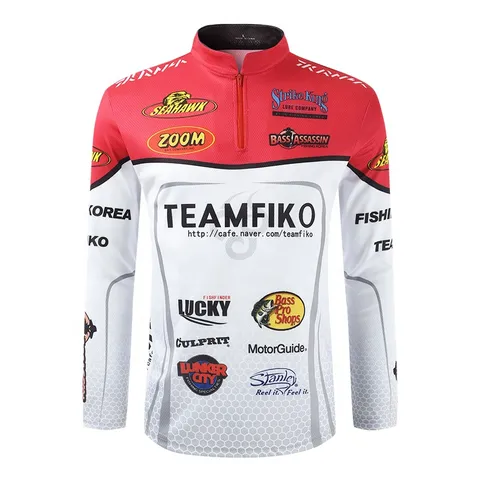
Apparel returns are overwhelmingly fit-driven, and fishing apparel has a specific problem: it is worn as an outer layer over a base layer, so a shirt cut to casual dimensions fits badly in use. Anglers size up for mobility, and a range that runs small will generate returns regardless of fabric quality.
Get a full size set of samples and measure them against the size chart, then decide whether to specify a relaxed fishing cut or an athletic cut. Publish actual garment measurements — chest and length — rather than just S/M/L, and check that the supplier’s grading is consistent across sizes, because inconsistent grading is the most common defect in bulk apparel.
Caps, neck gaiters and the accessory attach rate
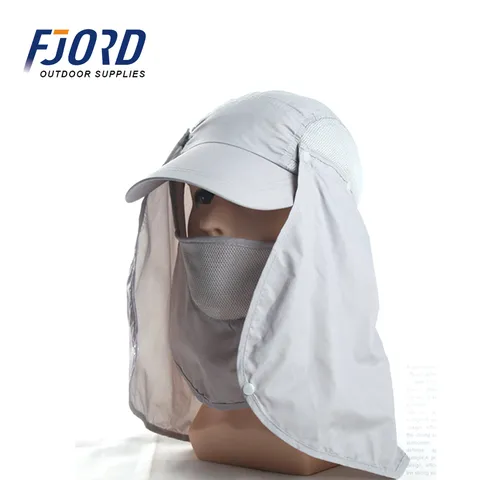
Caps and neck gaiters are the highest attach-rate items in a fishing apparel range and the cheapest to add to an order. A cap with a wide brim and a dark under-brim reduces glare off the water, which is a functional benefit customers understand immediately.
Neck gaiters extend sun protection to an area a collar cannot cover, and they pack small enough to be an impulse addition. If you are building a sun-protection story, stock the shirt, the gaiter and the cap together — the three sell better as a system than individually.
Branding: sublimation versus embroidery
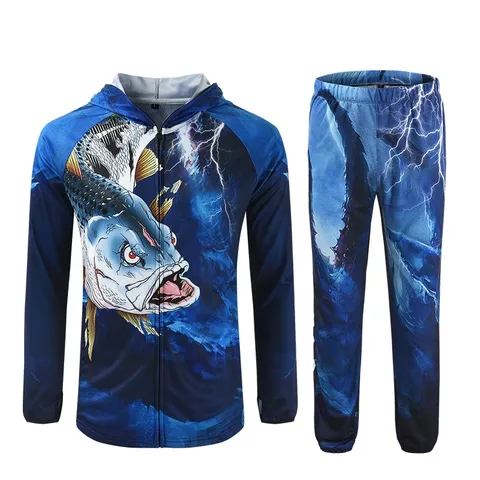
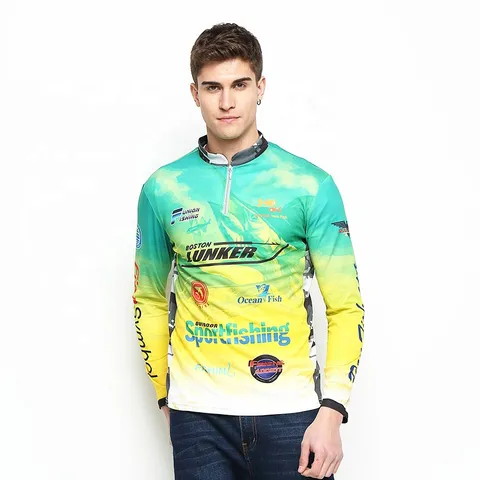
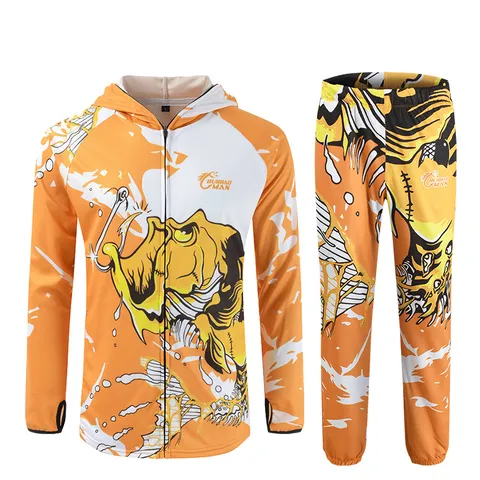
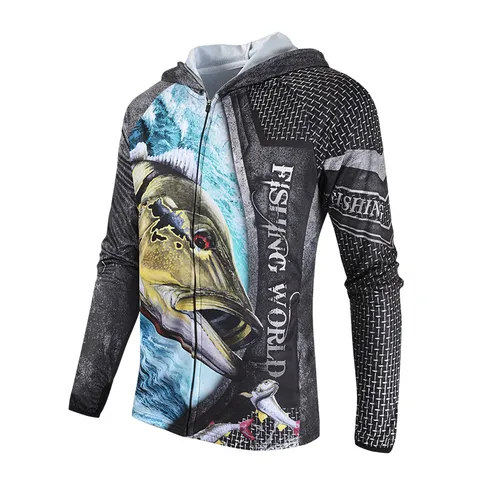
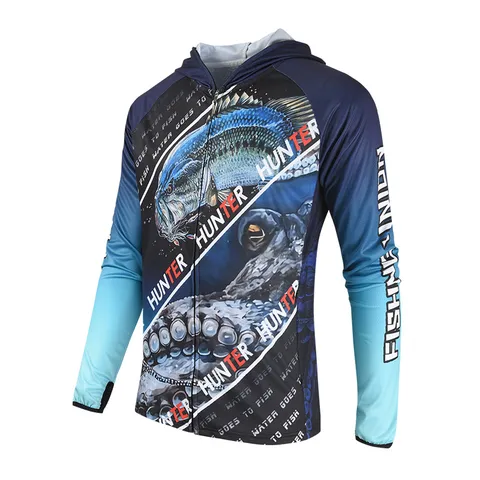
Sublimation printing is the default for performance fishing apparel because it bonds into polyester fabric and does not affect breathability or hand feel. It suits all-over patterns and photographic prints. Embroidery reads as more premium on caps and on a left-chest logo, but it adds stiffness and, on a lightweight technical fabric, can compromise the stretch.
For a private-label line, sublimation gives you the widest design freedom at the lowest unit cost; reserve embroidery for caps and for small logo placements on heavier garments.
What to confirm before you place the order
Confirm the UPF test report and whether it covers the wet state, the fabric weight in gsm, the ventilation construction, and the full graded measurement set. Order a complete size run of production samples and measure every size against the chart — approving a single sample size is how apparel ranges end up with a systemic fit problem.